In this article
Swipe fees are back in the news in Washington, and this time the push is coming from the top. President Trump is urging Congress to pass the Credit Card Competition Act, the bill that would force the biggest banks to let their credit cards run over more than one network, according to PYMNTS.
For a Northeast Ohio merchant, the bill itself is still a maybe. What is not a maybe is the cost it targets: the card fees that come out of every sale you ring up. Here is what is actually on the table, plus three other items worth a minute this week.
What the bill would do
The Credit Card Competition Act would require large banks to enable their credit cards to run on at least one network besides Visa or Mastercard, the way debit cards already route over competing networks today. The idea is that if a transaction can travel more than one road, the networks have to compete on price, and the per-swipe cost comes down. Visa and Mastercard together handle most U.S. card volume and set their rates centrally, which is the setup the bill is trying to break.
Trump threw his weight behind it this week, with a White House spokeswoman saying he wants to save families from "hidden swipe fees that cost households $1,200 a year," per the reporting. Merchant groups have been meeting with White House officials and trying to attach the bill to other legislation, while banks and the card networks lobby hard against it. Vice President JD Vance co-sponsored the bill as a senator.
Two honest caveats. The bill would not cap interchange, so it is not a guaranteed rate cut, it is a bet that competition lowers prices. And it has been introduced before without passing. For now it is a story to watch, not a line item that is changing.
Why it matters to an Ohio shop either way
Bill or no bill, it puts a spotlight on the number that actually hits you: your effective rate. If routing competition does arrive, the merchants who benefit most are the ones who can see their card costs clearly and move when the market moves. The ones on a blended, tiered rate will watch the savings get quietly kept by their processor.
That is the same argument we make about interchange-plus pricing regardless of what Congress does. Knowing where your fees come from and how to lower them is the part in your control this week, as opposed to the part being debated in D.C.
Also this week
New PCI guidance on AI tools that touch card data
The PCI Security Standards Council, which writes the card-data security rules every merchant is bound by, put out new guidance on using AI in payment environments, reported by Help Net Security. Before you let an AI tool touch anything involving card data, define exactly what it is allowed to do and what data it can see, and keep a human responsible for approving its actions. The guidance is advisory, and the existing PCI DSS rules still take priority.
If you are using an AI chatbot, an automated bookkeeping tool, or any vendor that promises to handle payments data for you, the compliance responsibility is still yours. Ask any vendor plainly how they handle cardholder data, and do not wire an AI tool into your payment flow without a person in the loop.
Shoppers are tapping for bigger purchases
Contactless payments keep taking a larger share of bigger-ticket sales. New data cited by PaymentsJournal showed contactless now accounts for close to half of mid-range transactions in Ireland and a rising share of purchases over 100 euros, a pattern an analyst there said mirrors contactless growth in the United States.
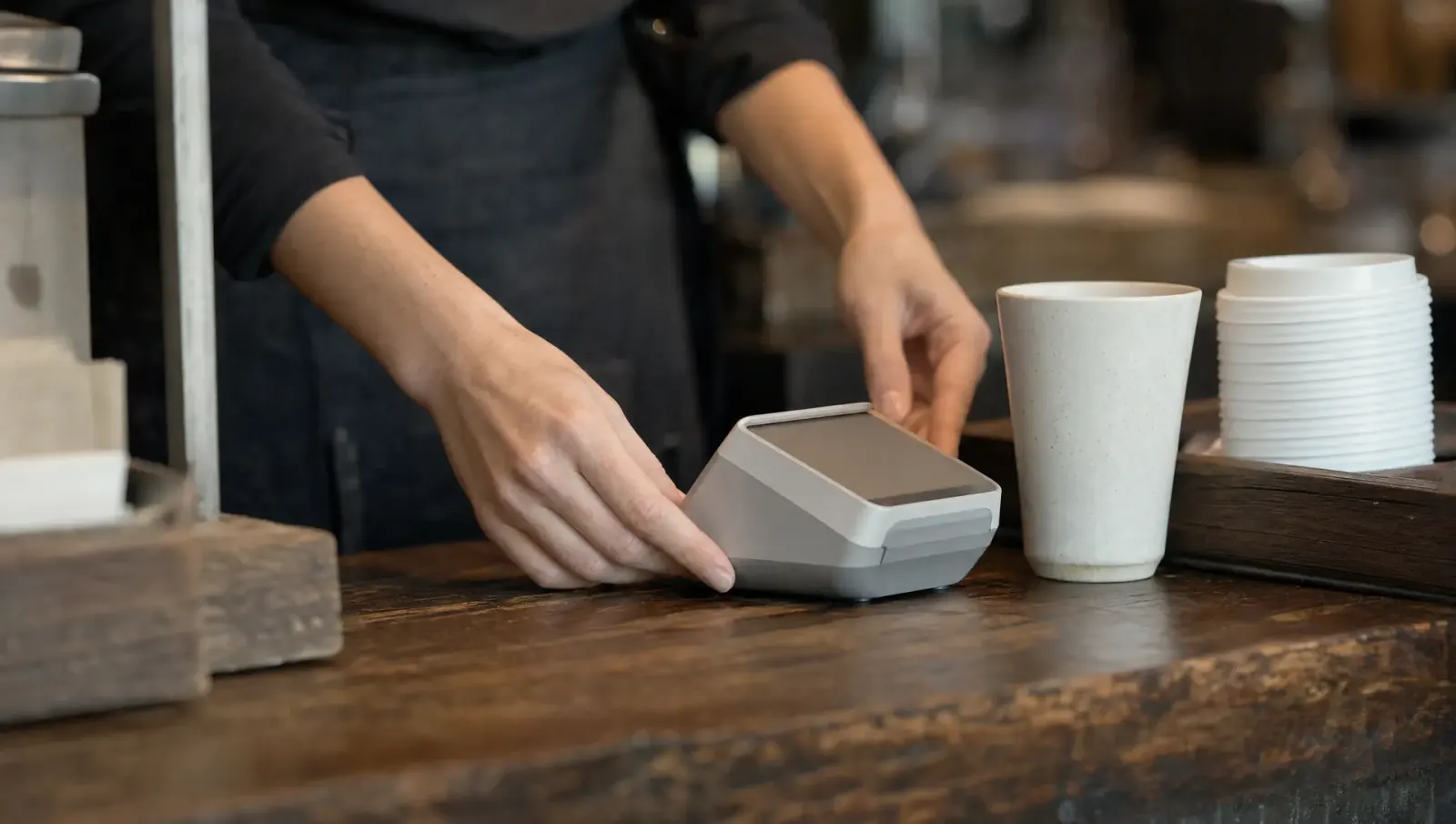
Your customers increasingly expect to tap, even for larger amounts. If your terminal does not take contactless and mobile wallets, you risk slower checkout and the occasional lost sale. Confirm your hardware accepts tap to pay, and that it is actually switched on.
Nacha wants to fix bogus ACH chargebacks
Nacha, which runs the ACH network, opened a formal request for input on first-party fraud, announced on its site. The specific problem is a customer telling their bank that a payment they actually authorized was unauthorized, which forces a return and claws the money back from the business.
If you bill customers by bank draft, which is common for gyms, medical practices, and subscription services, you have probably eaten one of these. Nacha is trying to measure how often it happens and what it costs, which is the first step toward rules that could make these disputes harder to abuse. Worth watching if ACH is part of how you get paid.
What to do this week
- Find your effective rate on a recent statement, so you are ready to compare if routing competition ever lowers card costs.
- If you use any AI or automation tool near your payments, confirm with the vendor how it handles card data.
- Make sure your terminal accepts contactless and mobile wallets, and that the feature is enabled.
- If you bill by ACH, track how often "unauthorized" returns hit you, so you know your real exposure.
How Cloud 9 keeps your costs legible
We cannot tell you when or whether Congress will change swipe fees. What we can do is make sure that whatever the networks charge shows up on your statement as something you can read. Cloud 9 Payments prices on transparent interchange-plus, so your card costs are itemized, not blended into a rate bucket, which is exactly the position you want to be in if routing competition ever arrives. There is no annual, PCI, or infrastructure surprise fee, and the agreement is month-to-month, supported locally out of Chagrin Falls.
Want to know your real effective rate today? Send a recent statement through our contact form or call or text 1-855-297-6722, and we will break it down for you.
Figures are as of October 13, 2026, from the sources linked above. Legislation and card rules change on their own schedule. Nothing here is legal advice.